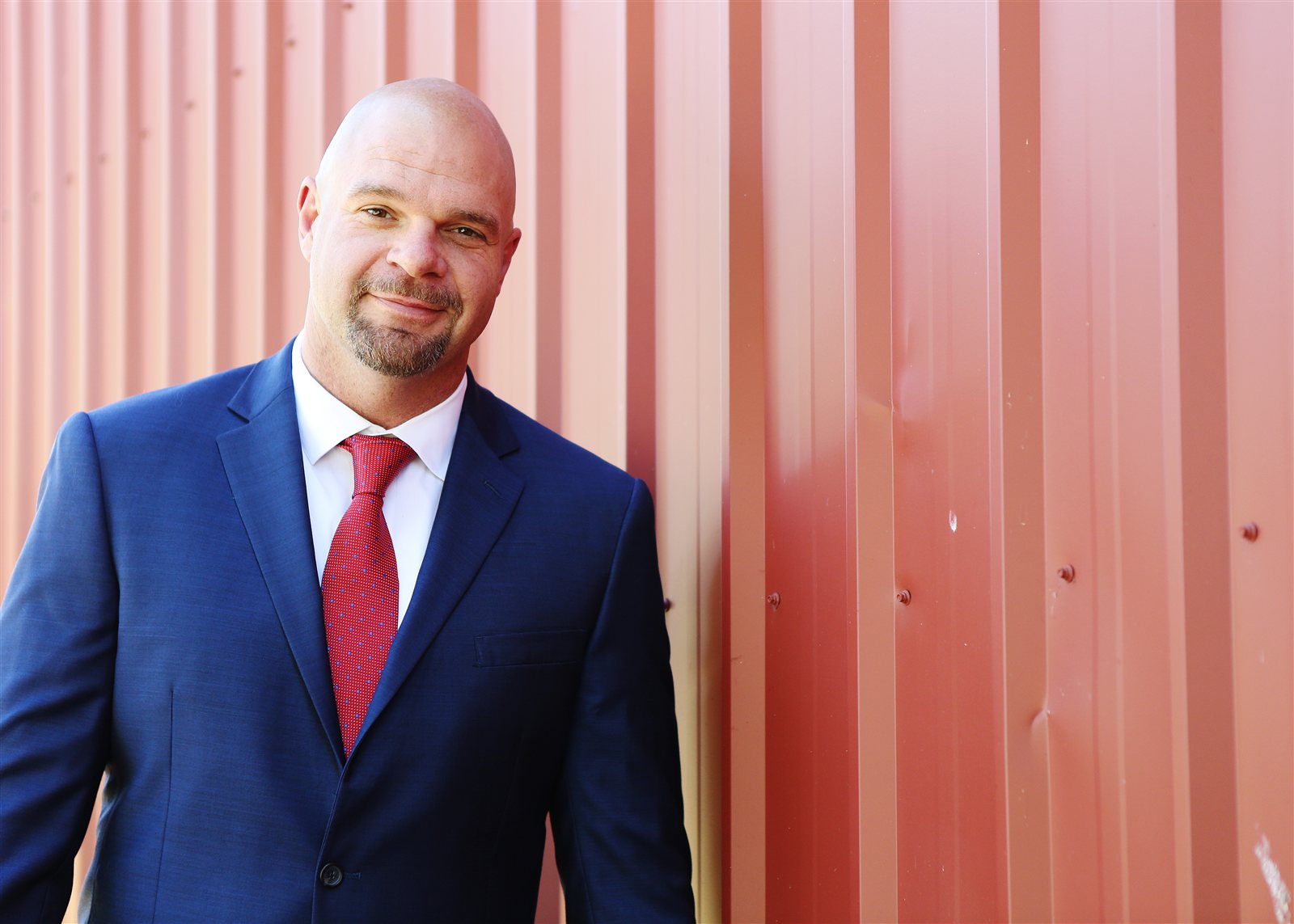
About Dean
Strategy was never the ceiling on a leader's capacity. Unresolved weight is.
I know, because I carried mine for years before I learned how to release it.
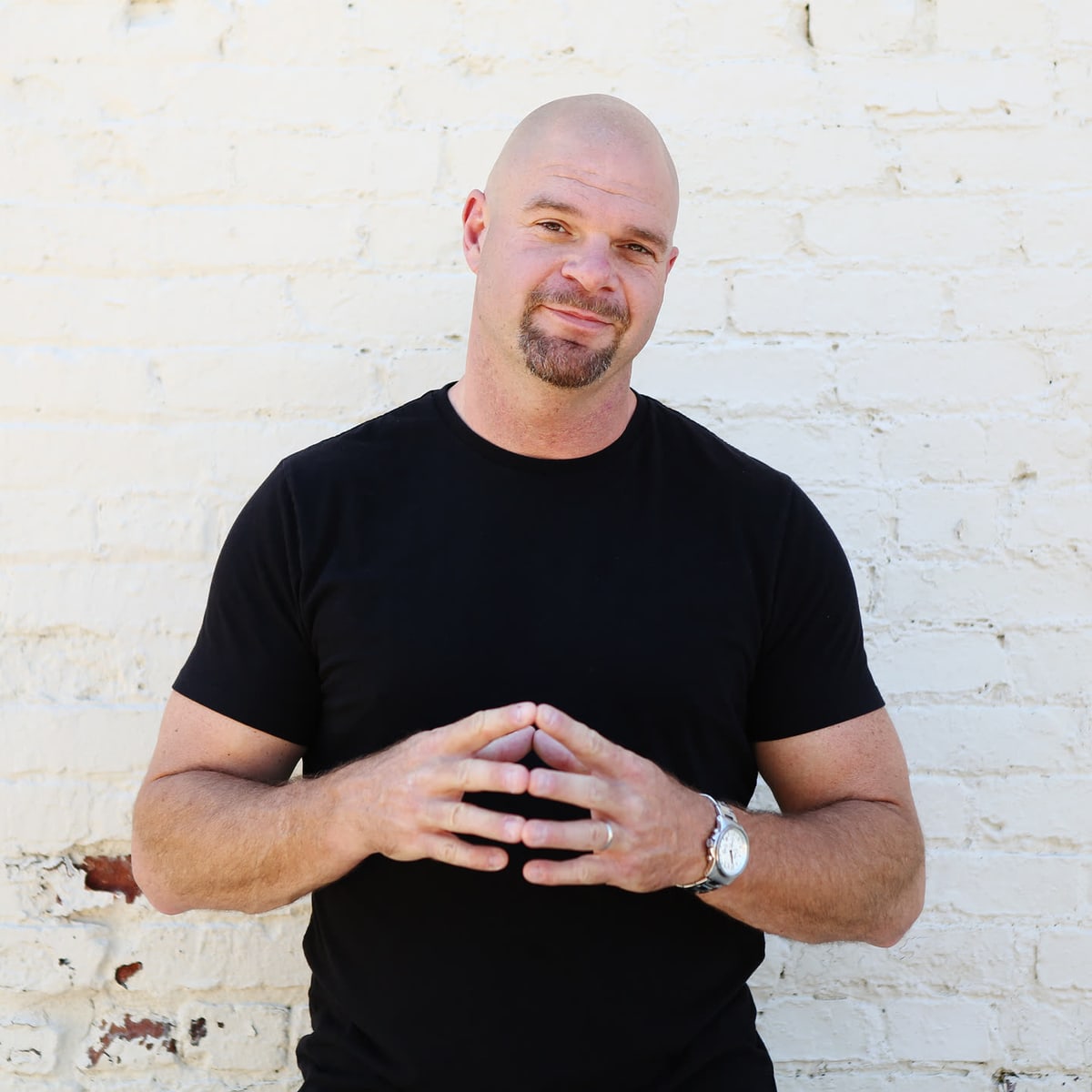
Before the credentials, I want you to know how I actually got here.
When I was twelve, my mother was murdered by my stepfather.
For years I carried anger toward him. Then I did what a lot of us do with pain we can't name. I pushed it down and moved on.
I thought I was doing fine.
From the outside it looked like resilience. But there was always this frustrating gap between the person I knew I could be and the way I was actually showing up, and nothing I tried would close it.
So I made a decision to forgive him, and began a very intentional journey of doing it. It took years, and it needed nothing from him.
Years later, that journey put me in a hotel room across from him, listening to him describe the night he killed her. I braced for the old anger. It never came. What I felt was compassion. That room didn't create the release. It confirmed it.
In time I befriended him. Eventually I helped him forgive himself. None of it excused what he did, and none of it was required. I ask it of no one.
I had mistaken functioning for freedom.
I wasn't falling apart. I wasn't walking around angry. But what I'd learned to ignore was still walking into every room I led, draining my clarity, my patience, and my presence.
I thought carrying it quietly made me strong. It was just costing me quietly.
And once I knew what that looked like from the inside, I started seeing it everywhere: in successful, high-performing people carrying a resentment, a betrayal, a regret they thought they'd handled years ago.
You don't have to be falling apart for something unresolved to be costing you.
It shows up in how you think, how you respond under pressure, how you relate to people, and how present you're able to be. Eventually I found a name for it: Emotional Overhead.
The Work
I have spent my career beside the leaders who carry it.
I have been doing this work for twenty years, on stages and, since 2013, one leader at a time. I coach senior executives through the pressures that arrive with the title: the team they inherited, the decision they cannot delegate, the reorganization nobody warned them about. Different industries, same pattern. Capable people, carrying something they have never named, spending capacity they do not know they are spending.
Healthcare is the room I know from the inside. For thirteen years I worked inside the healthcare industry as a pharmaceutical representative, which meant thousands of real conversations with physicians, nurses, physician assistants, office managers, and the support staff who hold a practice together. They told me the truth about burnout the way people only do with someone they trust. Today I coach physicians one on one across the country as they grow their practices and lead the people around them.
I have led leadership workshops and coaching programs for teams at Boehringer Ingelheim and AstraZeneca, and I hold a master's degree in Organizational Leadership. So when I stand in front of senior leaders, I am not bringing them a theory, or a story I tell from a distance. I am bringing them the work I am still doing, one leader at a time, and the discipline I built for it.
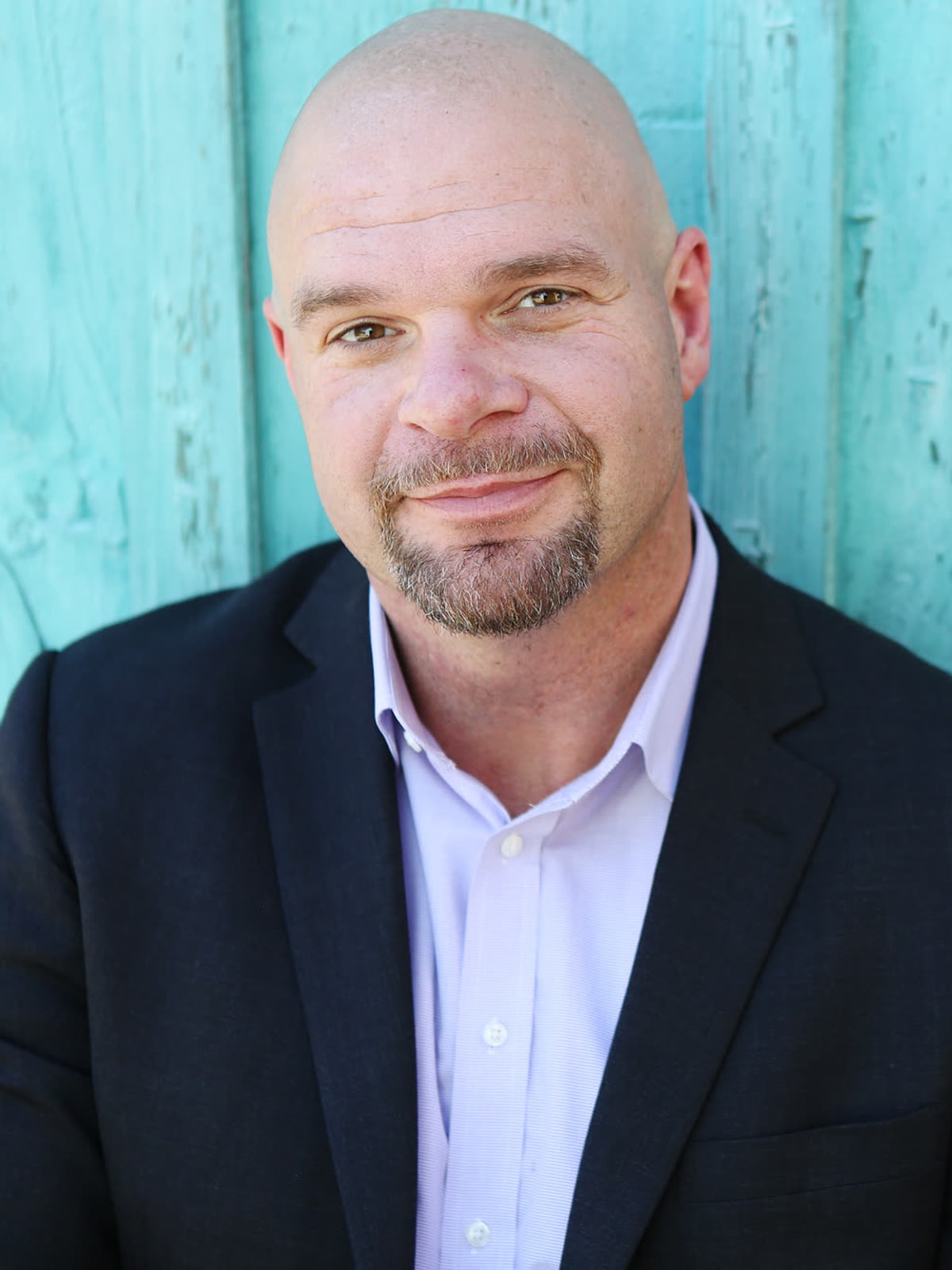
"I was never lacking capacity.
Carrying the past was quietly draining it."
The Method
The burden has a name. And it has a discipline for setting it down.
The decision I made all those years ago became the documentary Live to Forgive. But a decision is not a method. When I went looking for a rigorous forgiveness discipline built for leaders, for people who would never describe what they carry as a wound, it did not exist. So I built it: the E.D.G.E. Forgiveness Development Method, with The H.U.M.A.N. Bridge inside it.
Forgiveness is not a soft skill. It is a performance discipline, and the research backs it up. Unresolved resentment, bitterness, and guilt are a measurable tax on how well a leader thinks, decides, communicates, and builds trust, and the hidden driver behind what most organizations mislabel as executive burnout and cognitive overload. Almost no one is naming it accurately, which is why so many burnout efforts never reach the source.
Here is the mechanism underneath it. A grievance recalled is a threat renewed: replaying it can set off the amygdala's alarm, and an alarm that never fully stops keeps cortisol elevated. Sustained cortisol is associated with reduced function in the prefrontal cortex, the exact region that judgment, focus, and presence depend on. The decision to forgive is what begins to quiet that alarm. The daily practice that follows is how the executive brain comes back online, with capacity returning the longer the practice is used.
One thing I make clear in every room. This is not reconciliation, and it is not excusing anything. Nothing is let off the hook, and no healthy boundary comes down. The other person does not have to be part of it, because the work was never about them. It is internal, and a leader does it for one reason: to reclaim the capacity that carrying it has cost.
I am living proof that the work works.
The Proof
20 years speaking on forgiveness
Executive Leadership Coach since 2013
13 years inside the healthcare industry
Coaches physicians one on one across the country
Leadership workshops and coaching programs for teams at Boehringer Ingelheim and AstraZeneca
Master's in Organizational Leadership
Author of The Forgiveness Habit
Executive Producer and subject of the award-winning documentary Live to Forgive
Creator of the E.D.G.E. Forgiveness Development Method
The speaker who turned forgiveness into a rigorous leadership performance discipline.
On Stage
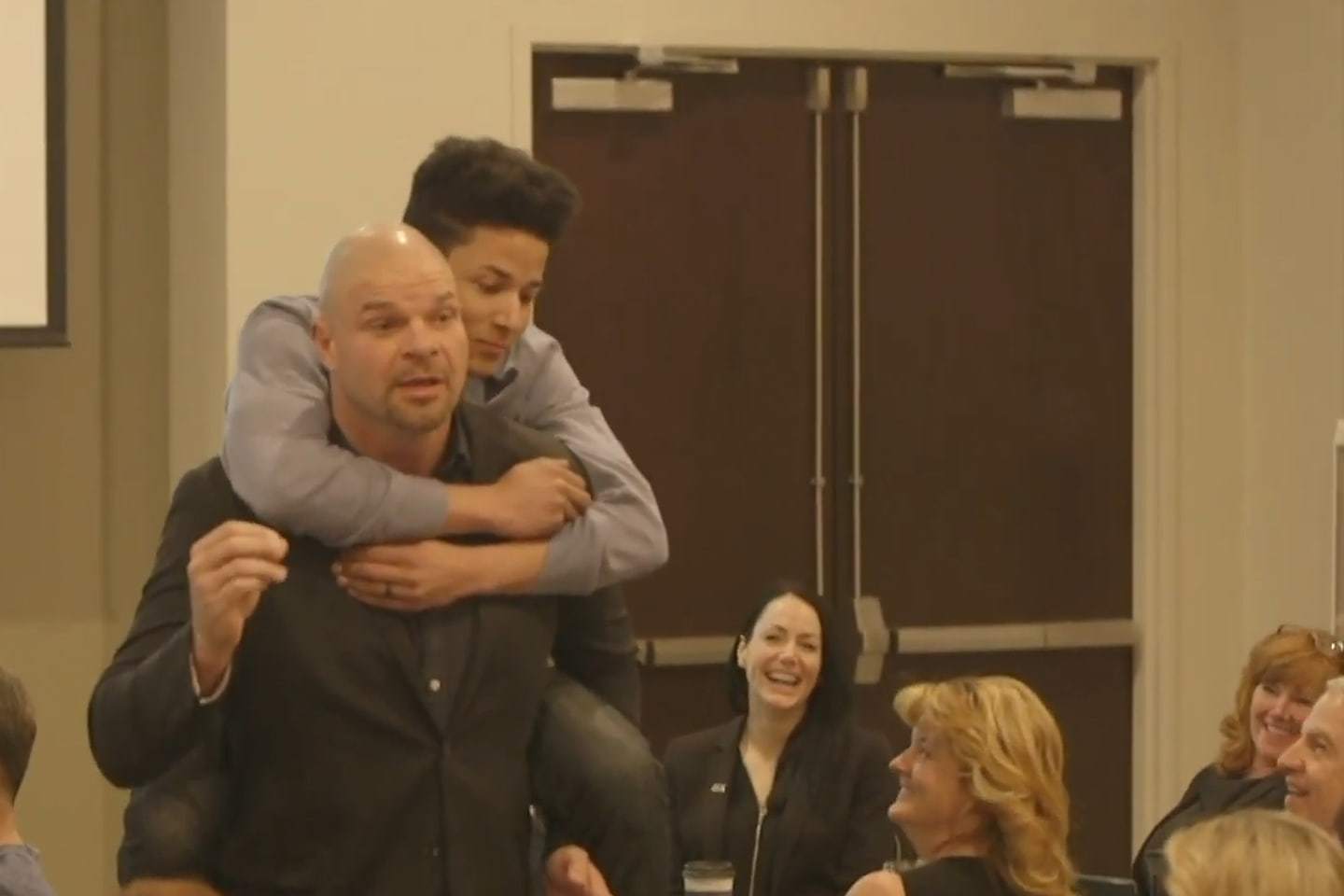
The heaviest subject a leader carries, in a room that is laughing.
Audiences are often surprised to find themselves laughing out loud one minute and wiping away tears the next. Levity is what keeps a room open to the heaviest subject a leader carries. It is also what lets a room take the work home, not just the story.
He had them laughing. Then, minutes later, he had them completely in their feelings. And he never lost them once — he held that room from the first sentence to the last. That’s a rare combination.
The Next Step
Where this becomes your event.
The story is mine. The capacity it unlocks belongs to your room.
The keynote opens the door. The workshops and coaching are how the work continues inside your organization.
The Keynotes
Three signature keynotes, built for corporate, healthcare, and financial services rooms.
Explore the Keynotes →
For Meeting Planners
Published fees, formats, and the details your committee will ask for first, in one place.
See Fees & Planner Details →
Executive Coaching
The same discipline, one leader at a time, in engagements of 6 or 12 months.
Explore Executive Coaching →
A Few Things About Me
I'm still crazy in love with my sweet wife, Molly, after 27 years together.
I have two teenagers I love more than anything in this world. Being their dad is the role I'm proudest of.
And yes, by most accounts, I'm a pretty funky beatboxer.
Here's what I believe.
Your leaders were never broken. They're burdened.
The weight they’ve carried for years, they can set down, and lead lighter, sharper, and more present.
Whether you are filling a keynote slot, building a leadership program, or choosing who your executives will do this work with, the conversation starts here.