
Healthcare Leadership Keynote
The Capacity Crisis
The keynote that restores your clinical and executive leaders before the system loses them.
“His message is always passionate and life-changing and we have requests for him to return time and time again.”
Trusted By Teams At

















Burnout Isn't an Empty Tank. It's an Occupied One.
No one in the building works harder than your executive team. And no one's exhaustion gets less sympathy.
So let it be said plainly. The staffing is unsafe. The administrative burden is indefensible. Neither is the fault of the people delivering care, and neither gets solved by asking anyone to cope better. Your executives know it better than anyone. They own constraints they did not choose.
But the system is not the only thing occupying their capacity.
They carry the service line they had to close. The physician who left angry. The sentinel event review. The reduction in force they signed, and the faces attached to it. The board that wants the margin, the medical staff that wants the mission, and the job of standing between the two, absorbing the anger of both. The grief no agenda has a line for. And because they are in charge, they believe they are supposed to hold all of it — and look unbothered while they do.
And the weight does not stay private. In a Stanford study published in JAMA Network Open, physician leaders who reported more burnout were rated as less effective by the physicians who report to them. Your executives are not doing too much. They are carrying too much.
The E.D.G.E. Forgiveness Development Method was built to change that.
The Evidence
The Crisis, Measured
74%
of healthcare executives reported burnout in the prior six months, and 93% said it was actively hurting their organization.
WittKieffer, 2022
48%
less likely to report burnout, and 66% lower intent to leave, when physicians rate their leader in the top tier.
BMJ Open, 2022
1 in 3
healthcare leaders score in the high-burnout range.
ACHE / Stanford, 2021
The takeaway is unusually clear: a leader's own emotional load measurably degrades how well they lead, while steady, regulated leaders protect the people beneath them.
This Keynote Is Perfect For
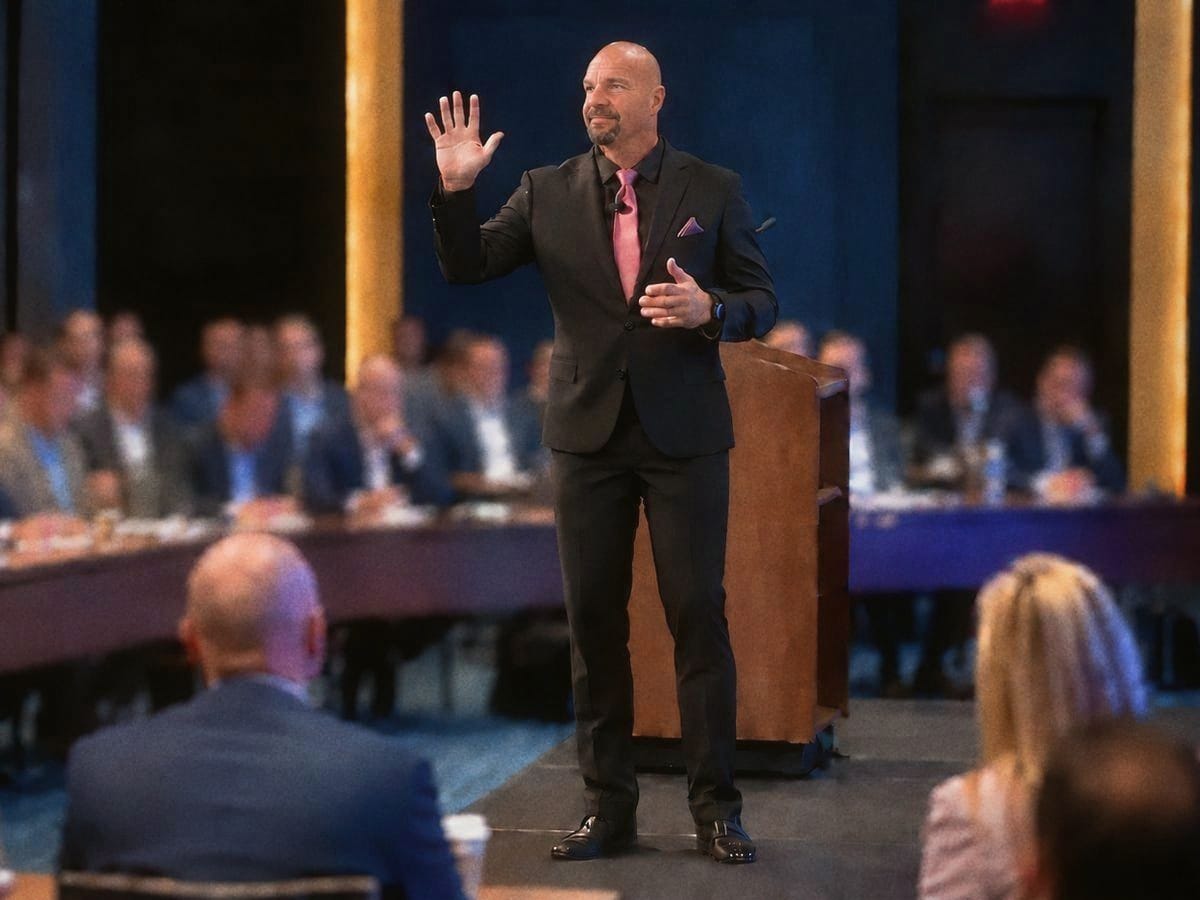
Healthcare Leadership Forums
Give CEOs, CMOs, and CNOs the reframe that turns a burnout conversation into a capacity breakthrough.

Physician & Nurse Leader Events
Reach the people holding the system together with a message that finally names what they carry.
Explore this room →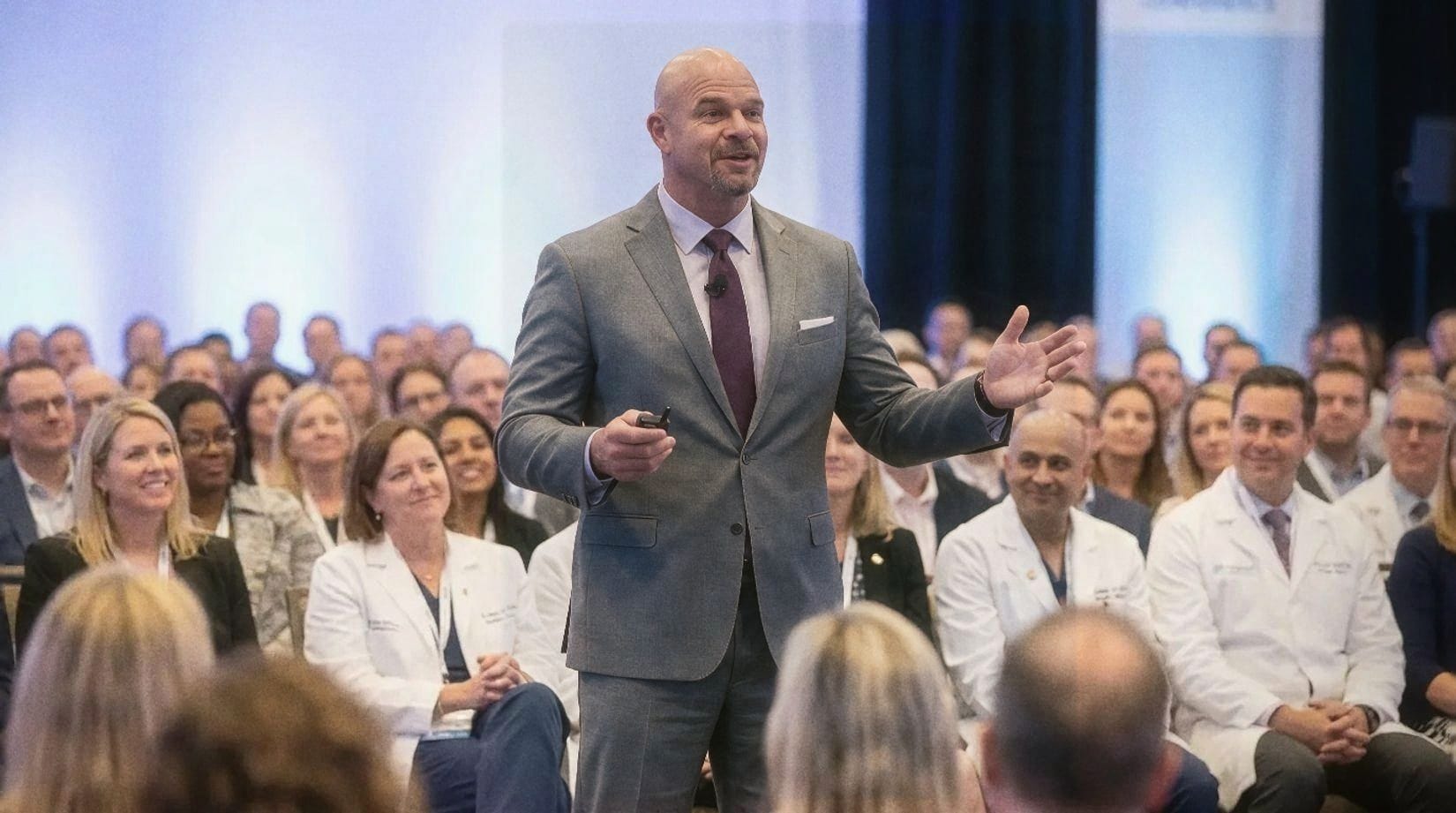
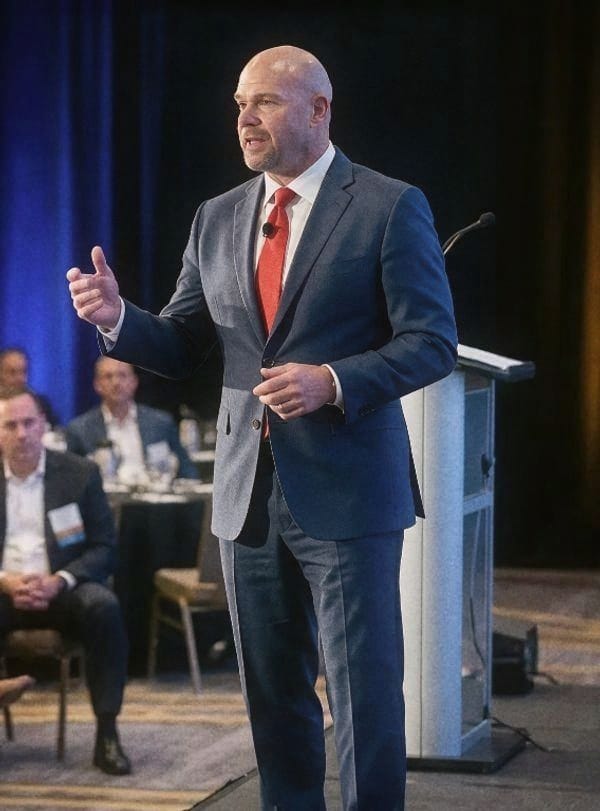
System-Wide Culture Summits
Address retention and psychological safety at the root, not the symptom.
The Keynote
The Capacity Crisis
You can't pour from an empty system. And you can't lead a calm culture while running on survival mode yourself.
This isn't a message Dean studied from the outside. For 13 years he worked inside the healthcare industry as a pharmaceutical representative, in thousands of real conversations with physicians, nurses, and the staff who hold a practice together. Today he coaches physicians one on one across the country. He knows the weight this room carries because he has spent his career beside the people who carry it.
Dean reframes healthcare's defining crisis: the real driver of leader turnover isn't workload. It is the Emotional Overhead leaders carry without permission to name it.
This is not offered instead of fighting for the staffing ratio. It is what makes that fight winnable, because the fight itself requires a prefrontal cortex that isn't already occupied.
With disarming honesty and his own story of releasing the heaviest weight a person can carry, Dean makes the science of capacity personal, and gives healthcare leaders a way through that respects the gravity of what they hold.
The evidence points the same direction he does. When leaders are regulated and effective, the physicians and staff beneath them are dramatically less likely to burn out and far less likely to leave. Restore the leader, and the team feels it first.
They don't just hear about it. They feel the weight begin to lift in real time.
Your audience will walk away with:
- ✓A clear picture of the Emotional Overhead driving fatigue, moral distress, and reactive decisions
- ✓A working introduction to the E.D.G.E. Method, and a first step they can take in the hardest moments care leadership brings
- ✓A preview of the daily practice that protects clarity and steadiness under sustained pressure
- ✓A first look at the H.U.M.A.N. Bridge: releasing the grip of conflict without excusing behavior, lowering accountability, or requiring reconciliation
Duration
45 to 60 minutes (customizable)
Formats
Single keynote, keynote + workshop, or multi-session
Best For
Healthcare leadership forums, physician and nurse leader events, and system summits
The Framework
The E.D.G.E. Method
Four steps. One outcome: leaders with the capacity to lead through crisis. Every step happens without a conversation, a confrontation, or anything required from anyone else. Nothing is excused, and no one is let off the hook. Each step earns the next.
Grounded in three decades of peer-reviewed forgiveness research and the science of emotion regulation, stress physiology, and behavioral change.
E
Examine the Cost
Each leader names what they are carrying and what holding on is costing their capacity. Facts, not verdicts — and the naming itself is neurological: putting a burden into precise words measurably dampens the brain's threat response. That clarity is the leverage the next step needs.
D
Decide to Release
With the cost now undeniable, each leader makes the deliberate choice to release: decisional forgiveness, a leadership decision rather than a moral one. A decision and an emotion are run by different systems on different timelines — so the decision is real before the feeling catches up.
G
Ground the Response
Leaders walk the H.U.M.A.N. Bridge themselves. The amygdala responds to a memory's emotional content, not its age — which is why a real decision and a live trigger can coexist. The Bridge settles the nervous system until the decision is more than head knowledge and the work ahead can take root.
E
Elevate Your Capacity
Tools they take home: a focused 30-day on-ramp, then a practice for the rest of their careers. Neurons that fire together wire together — each practiced response weakens the old pathway and builds its replacement, so capacity keeps returning the longer the practice is used.
Set It Down. Lead Unbound.
“No one is asking you to say it was acceptable. Only to stop paying rent on it.”
The Experience
What Happens in the Room
They walk in carrying everything the work has asked them to hold and never process.
The losses. The moral weight. The pressure of being the steady one when there is nothing left to draw from.
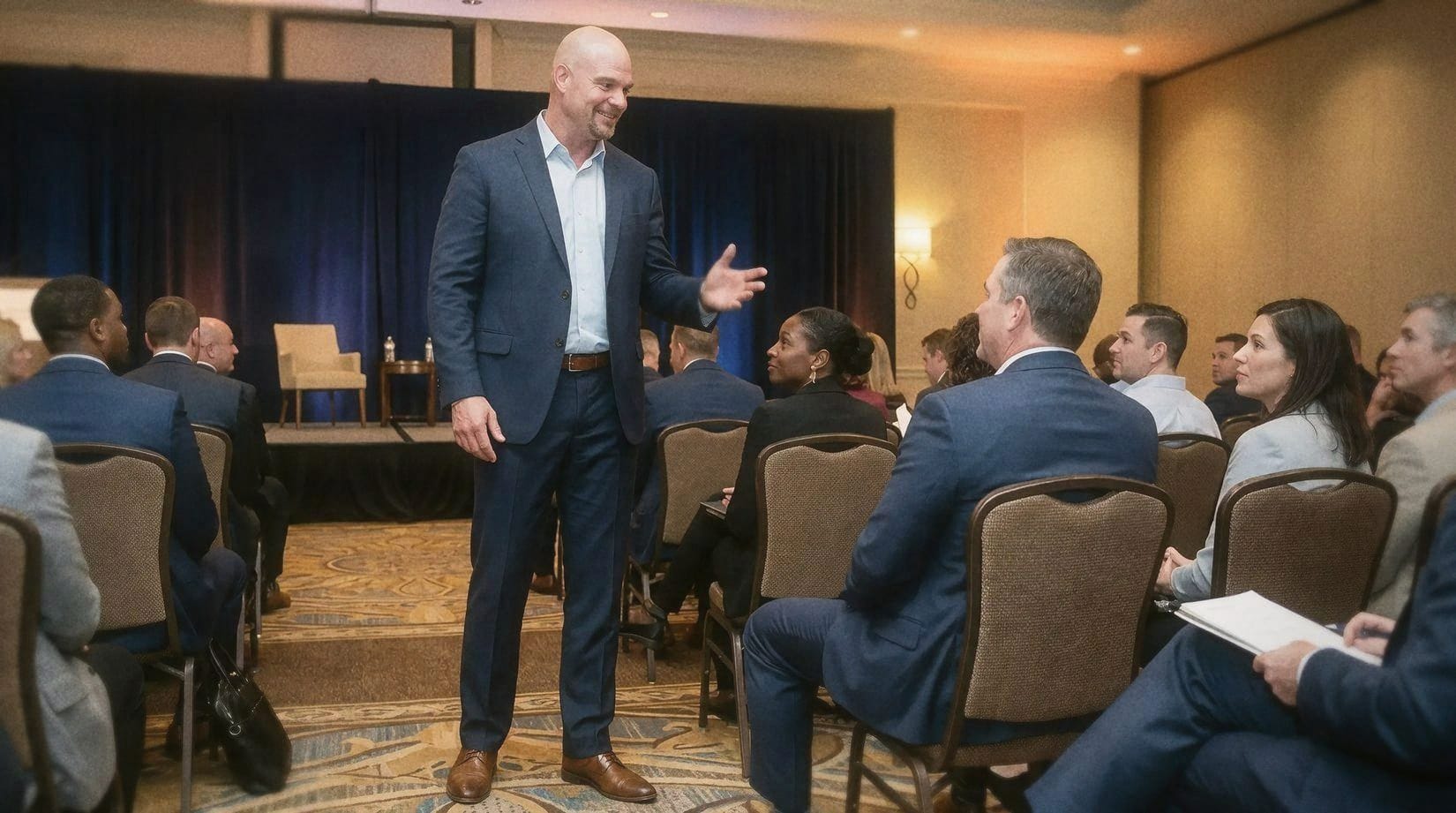
Dean meets them there, not with slides, but with truth. And a room full of leaders who rarely feel seen recognizes itself in it.
Using the E.D.G.E. Method, he guides the room through a live shift: from carrying it alone to a clarity and steadiness many can bring back to their teams.
That's what Dean leaves in a room.
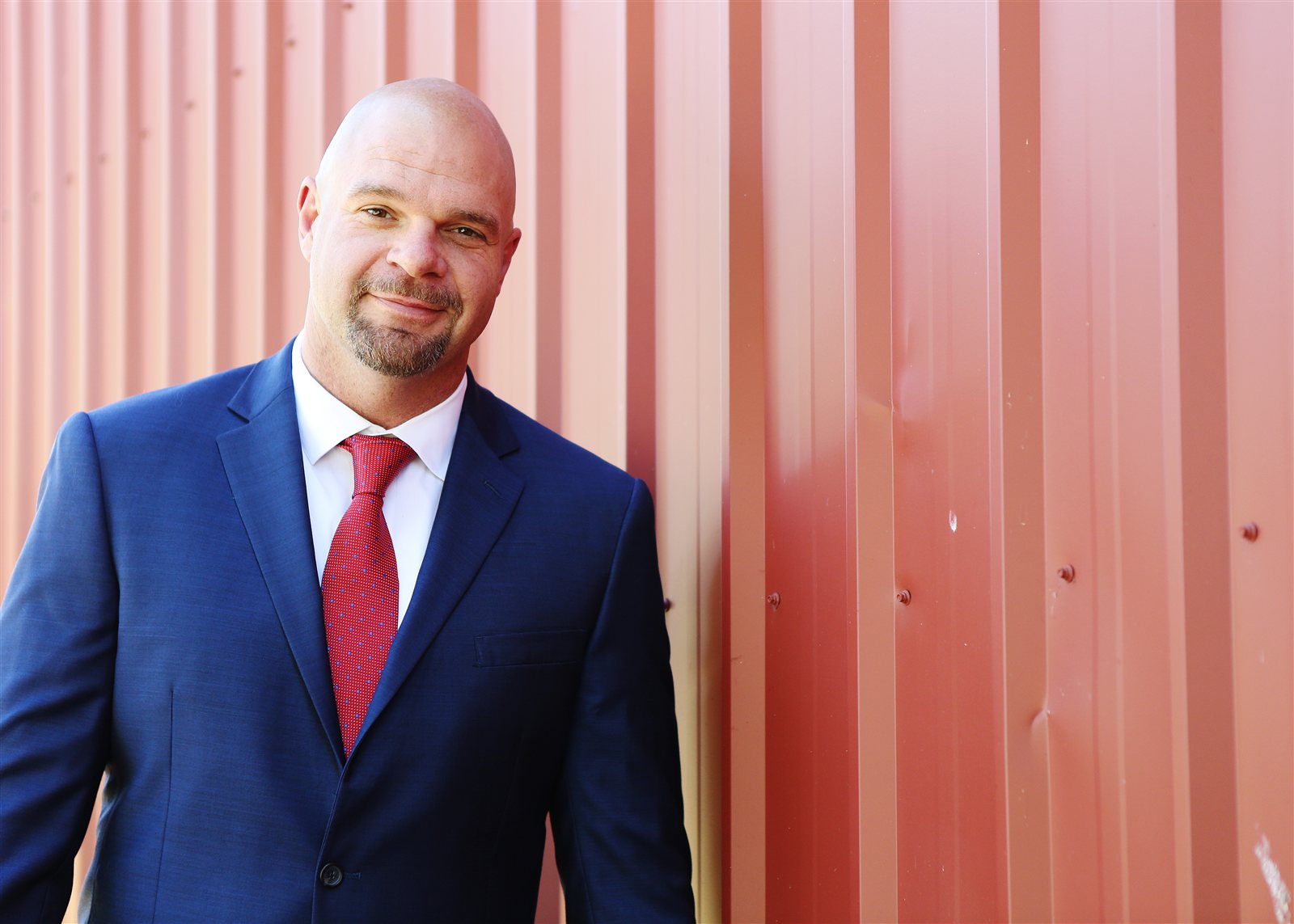
The Speaker
Meet Dean
Dean Eric Smith is the Forgiveness Development Pioneer, creator of a rigorous, evidence-informed discipline for releasing the Emotional Overhead that silently erodes executive judgment, presence, and capacity.
When Dean was twelve, his mother was murdered by his stepfather. He carried it the way most leaders carry what they carry: quietly, certain he was fine, and paying for it in every room he led. The forgiveness work that followed, done for years before it ever put him face to face with the man, became the award-winning documentary Live to Forgive, and the frameworks he built from it turn forgiveness into a leadership performance discipline. Twenty years speaking on forgiveness, coaching executives since 2013, a Master's in Organizational Leadership, and author of The Forgiveness Habit.
On stage, he's known for one rare gift: audiences laugh out loud one minute and wipe away tears the next. Levity is what keeps a room open to the heaviest subject a leader carries.
The Research
A trainable intervention, not a virtue.
Amy Arnsten & Tait Shanafelt · Mayo Clinic Proceedings
Sustained, uncontrollable stress suppresses prefrontal cortex function — the seat of judgment, working memory, and emotional regulation. The capacities clinical leadership runs on are the first ones the stress response takes offline.
Fred Luskin · Stanford Forgiveness Project
In a randomized trial, forgiveness training produced measurable reductions in anger, hurt, and physical stress symptoms. Trained, repeatable, and measured — which is what separates this from asking anyone to simply feel differently.
A leader carrying a grievance is holding it with the same executive function the work requires.